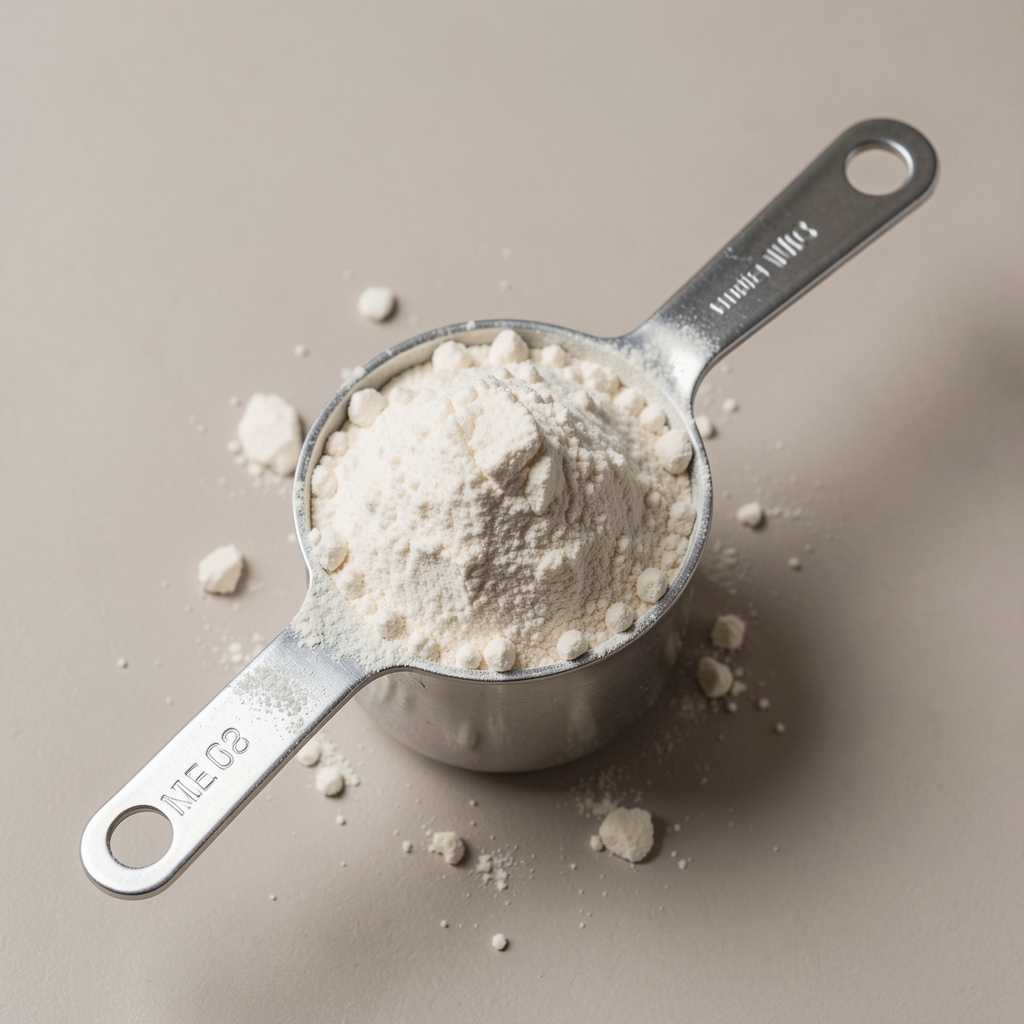
Among all supplements referenced in active men's nutritional habits literature, creatine occupies a singular position. The volume of published research is substantial, the consistency of findings across populations is relatively high, and the practical context — resistance training, repeated-effort physical activity, daily gym attendance — is immediately familiar to the readership of this journal.
This editorial review does not present new data. It surveys the existing published literature, identifies the consistent themes, and situates creatine supplementation within the broader context of men's daily supplement stack considerations. The framing is journalistic, not scientific: Oravin Journal is an editorial publication, not a peer-reviewed resource.
Articles published on Oravin Journal are editorial in nature and reflect the writers' observations on everyday supplementation habits and nutritional awareness for active men. The content is not intended as professional advice, nor as guidance for the management of any specific condition. Readers with specific concerns about their daily routines are encouraged to speak with a qualified wellness professional.
What the Published Literature Consistently Notes
Creatine monohydrate is the most extensively researched supplement in the domain of physical performance and nutrition. The International Society of Sports Nutrition's published position statement — last updated in 2017, with subsequent supporting reviews — describes creatine as one of the most effective and well-studied ergogenic aids available to active populations. The consistency of this characterisation across independent research bodies is notable.
The primary mechanism referenced in published research involves creatine's role in phosphocreatine resynthesis during high-intensity, repeated-effort physical activity. In practical terms, this translates to an observed pattern in the literature: men engaged in resistance training who supplement with creatine show more consistent performance across successive training sets compared to those who do not. The effect is most pronounced in high-intensity, short-duration effort — the kind most associated with gym-based resistance programmes.
A meta-analysis published in the Journal of Strength and Conditioning Research (2003, replicated in subsequent reviews through 2022) examined creatine supplementation across over one hundred published studies. The findings consistently noted improvements in maximal effort performance across resistance-trained populations. The effect size — typically between 0.2 and 0.8 standard deviations — is considered moderate to large by research conventions.
"Creatine's position in the published literature is unusual for a supplement: the evidence base is wide, the effect is consistent across populations, and the basic mechanism is well understood."
— Editorial summary, Oravin Journal
Creatine in the Context of Daily Supplement Stack Habits
For the active man building a daily supplement routine, creatine's position in the stack is typically straightforward. Unlike certain other supplements whose timing and combination carry notable considerations, creatine monohydrate is consistently noted in published research for its flexibility in dosing timing. The widely cited loading-phase protocol — higher initial daily intake for the first five to seven days, followed by a maintenance intake — is one common approach in the literature. Several more recent studies suggest that a consistent daily intake without a loading phase produces comparable long-term results.
Within the broader supplement stack, creatine combines without noted conflict alongside protein, B vitamins, and magnesium — all of which are covered across this journal's articles. The practical daily routine for a man managing a full supplement stack typically settles into a morning and post-training rhythm, with creatine positioned either at the morning intake or within the post-training nutritional window.
The supplement stacking habits observed across the men's nutritional awareness literature suggest that adherence — rather than precise timing — is the primary variable. A supplement taken consistently at a personally convenient time outperforms one taken on a perfect schedule with intermittent gaps. This pattern is consistent with published behaviour change research and is central to the editorial philosophy of this journal.

Post-training preparation — Jakarta, March 2026
Creatine and the Long-Form Physical Output Pattern
The published literature on creatine and physical output covers multiple time horizons. Short-term observations (four to eight weeks) consistently document improvements in repeated-effort performance. Medium-term observations (twelve to twenty-four weeks) document meaningful differences in lean mass accumulation alongside resistance training. Long-term observations (beyond six months) are less numerous in the published corpus, but the available data suggests sustained benefit with continued use.
For the editorial context of this review — men engaged in regular gym-based resistance training as part of an active lifestyle in urban Indonesia — the medium-term pattern is perhaps the most relevant. Jakarta's fitness culture is oriented toward consistent gym attendance across the working week. The typical active man in this context trains three to five times per week, with a combination of resistance and cardiovascular work. Creatine's noted support for physical output over time in resistance training routines is directly applicable to this pattern.
The editorial observation here is not that creatine is essential for every man's routine. The published literature does not support such a universal claim, and this journal does not make it. Rather, the observation is that creatine represents a well-documented supplement option for men whose primary physical activity is resistance-training-heavy, and whose daily supplement stack currently lacks coverage of repeated-effort physical output support.
Whole Food First: The Editorial Position
Oravin Journal's editorial position on supplementation is consistent across all articles: the supplement is an addition, not a foundation. Creatine is naturally present in animal protein sources — beef, pork, and fish being the most concentrated dietary sources. Men whose diet includes regular consumption of animal protein receive a baseline creatine intake through food.
The published research on dietary creatine intake versus supplementation consistently notes that dietary sources alone are insufficient to saturate muscle creatine stores to the levels observed in supplementation studies. This does not make supplementation necessary — it places it in context. For a man whose diet is varied and protein-rich, creatine supplementation represents an incremental addition to an already adequate nutritional base. For a man whose diet is lower in animal protein, the addition is more meaningful.
The editorial review closes on this note: creatine supplementation, in the published literature, represents one of the clearest examples of an evidence-informed supplement choice for active men. The decision to include it in a daily supplement routine is personal, and it is best made with an awareness of the existing nutritional baseline — whole food first, supplement as addition.
- 01 The published literature on creatine and physical output is extensive and consistent across independent research bodies.
- 02 Creatine supports physical output over time in resistance training routines — the effect is most pronounced in high-intensity, repeated-effort activity.
- 03 Adherence to a consistent daily intake pattern outweighs precise timing as a determinant of long-term benefit in the published literature.
- 04 Whole food dietary protein provides a baseline creatine intake — supplementation represents an incremental addition to an existing nutritional foundation.
- 05 This review reflects editorial perspectives on published research. We recommend speaking with a qualified wellness or nutrition professional before introducing any new habit or routine to your daily life.
On the Quality of the Evidence Base
One dimension of creatine research that distinguishes it from many other supplement categories is the quality of the evidence base. The majority of published creatine studies are randomised, placebo-controlled, and conducted across diverse populations. The consistency of findings across these methodologically varied studies is a signal of robustness that is absent in much of the broader supplement literature.
By contrast, many supplements commonly referenced in men's nutritional habits content — particularly those in the recovery and focus categories — are supported by smaller, less rigorous, or industry-funded studies. The editorial practice of Oravin Journal is to note this distinction where relevant and to prioritise supplements with stronger independent evidence bases in its coverage.
Content published by Oravin Journal is selected based on published nutritional research and reviewed for editorial accuracy by a second editor before publication. The sources referenced in this review are drawn from publicly available peer-reviewed journals. No supplement brand or manufacturer contributed to or reviewed this article prior to publication.